Devops Sysadmin Quick Notes
Configuration Management
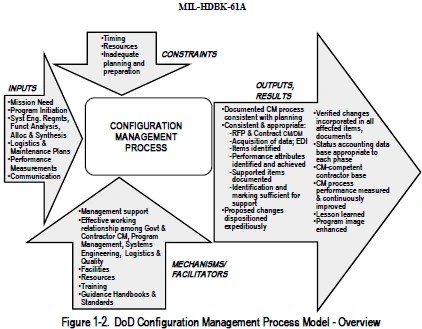
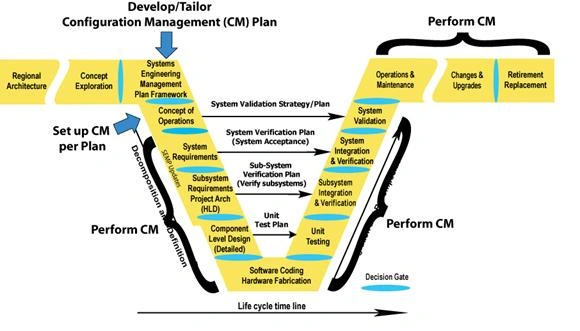
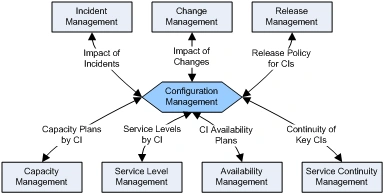
Configuration Management is the process of maintaining systems, such as computer hardware and software, in a desired state.
Containers
Containers kicked off with FreeBSD Jails in 1996, Linux got cgroups and namespaces around 2016. Docker dropped in 2013-first sane "image" API everyone stole. Images? Just layered tarballs, shipped in '13 too. Kubernetes arrived 2015-Google's open source project. Podman forked from Docker in 2018, rootless, no daemon. Swarm got old, k8s won.
Resources Consumption
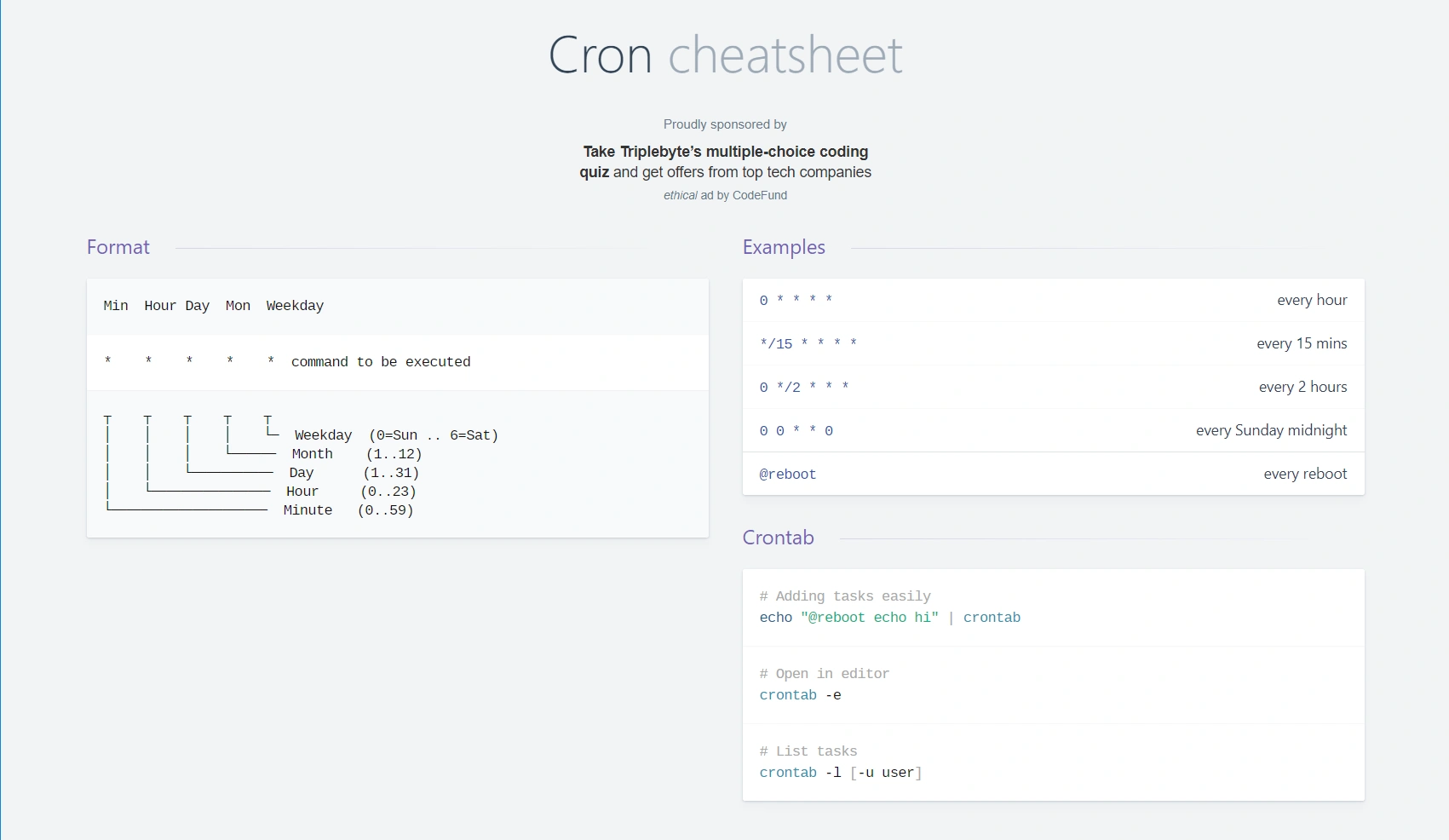
Cron Jobs
Observability
Observability How can New Relic help you better monitor your stack?
DevOps Learning Resources
Kubernetes
Kubernetes is the guy who makes sure your app never crashes, scales up when users flood in, and updates itself without you touching a keyboard. You give it a to-do list: "run ten copies of this thing, kill the dead ones, order pizza if load spikes". It owns the servers, owns the containers, owns your weekends back.
Minikube
Minikube runs on macOS, Windows, Linux. Same YAML, same commands.Your dev cluster is portable-even if the hardware changes.
Snowflake
Snowflake is a cloud-native data platform provided as a Software-as-a-Service (SaaS) solution.
Core Functionality
Snowflake functions primarily as an analytic data warehouse and a data lake (often called a "data cloud" platform) that enables organizations to store, process, and analyze massive volumes of structured, semi-structured, and unstructured data.
Key Architectural Feature
Its defining characteristic is its unique, multi-cluster shared data architecture, which decouples compute and storage. This separation allows customers to:
- Scale compute power (Virtual Warehouses) and storage independently and elastically.
- Pay only for the resources they actually use (usage-based pricing).
- Run concurrent workloads without resource contention.
Key Benefits
- Zero Management: It is a fully managed service, eliminating the need for users to select, install, configure, or manage any hardware, software, or upgrades.
- Multi-Cloud: It is available across all major cloud providers (AWS, Azure, Google Cloud).
- Data Sharing: Provides secure, real-time data sharing with other Snowflake accounts without copying or moving data.
This source file was empty at merge time.